
Vitamin B12: 7 Essential Facts About Energy, Health, and Safety
Vitamin B12, also known as cobalamin, is an essential water-soluble vitamin that supports red blood cell formation, DNA synthesis, and normal nervous-system function. It is available in foods, dietary supplements, and prescription formulations, including injections used to treat certain types of vitamin B12 deficiency.
At Mile High Compounds, understanding the science behind vitamin B12 helps separate its established nutritional benefits from unsupported claims about energy, weight loss, and performance. This guide covers its functions, forms, research, safety, and medical uses.
1. What Is Vitamin B12?
This is an essential nutrient that the body needs to maintain several important biological processes. Unlike peptides such as Semax or Epithalon, this is a vitamin rather than an experimental peptide.
The body uses it to support normal blood cell production, neurological function, and DNA synthesis. It also contributes to the metabolism of certain fatty acids and amino acids.
This is naturally found in animal-derived foods, including fish, meat, eggs, milk, and other dairy products. It is also added to some fortified foods and is available in oral supplements and prescription medications.
Because the body cannot produce it on its own, an adequate supply must come from food, fortified products, or supplementation when needed. <Cite refs={[“turn420712search0″,”turn420712search3”]}/>
2. What Are the Different Forms of Vitamin B12?
Several forms of it are used in supplements and medical products. Although they share the same general vitamin function, their chemical structures differ.
- Cyanocobalamin: A commonly used, stable form found in supplements and prescription injections.
- Methylcobalamin: A form involved in it-dependent reaction important for normal homocysteine metabolism.
- Adenosylcobalamin: A form used in cellular energy metabolism.
- Hydroxocobalamin: A form used in certain medical settings, including prescription treatment of it deficiency in some countries.
The best choice depends on the individual’s needs, the product formulation, and the reason for supplementation. Current evidence has not consistently demonstrated that one commonly used supplemental form is superior for everyone. <Cite refs={[“turn420712search0″,”turn420712search3”]}/>
3. How Does Vitamin B12 Work in the Body?
The functions as a cofactor in two major human metabolic reactions. These reactions help process certain amino acids and fatty acids and support the production of compounds needed for normal cellular activity.
This is also essential for healthy red blood cell development and the maintenance of myelin, the protective covering surrounding many nerves. When a deficiency develops, the effects can involve both the blood and nervous system.
This does not act as a direct stimulant. Its role in normal metabolism does not mean that taking additional amounts will automatically increase energy, improve concentration, or enhance athletic performance in someone who already has adequate levels.
Its benefits are clearest when it corrects a deficiency or addresses an identified nutritional or absorption problem. <Cite refs={[“turn420712search0″,”turn420712search5”]}/>
4. Vitamin B12 and Energy: What Does Research Show?
This is frequently marketed for energy support and reduced fatigue. However, the scientific distinction between treating deficiency and boosting energy in healthy individuals is important.
A person with vitamin B12 deficiency may experience fatigue, weakness, or megaloblastic anemia. Treating the deficiency can address the underlying problem and support normal physiological function.
For people who already have adequate vitamin B12 levels, there is insufficient evidence that additional supplementation provides a reliable energy boost or improves physical performance. This is not a substitute for adequate sleep, balanced nutrition, or evaluation of persistent fatigue.
If fatigue is ongoing, a healthcare professional can assess potential causes rather than assuming that it is the only missing factor. <Cite refs={[“turn420712search0″,”turn420712search3”]}/>
5. Vitamin B12 Deficiency and Who May Need Supplementation
This deficiency can develop because of inadequate dietary intake, impaired absorption, certain gastrointestinal conditions, or medications that affect it status.
People who may have an increased risk include:
- Individuals following vegan diets without reliable fortified foods or supplementation.
- Older adults with reduced absorption of food-bound vitamin B12.
- People with pernicious anemia or certain gastrointestinal disorders.
- Individuals who have undergone particular stomach or intestinal surgeries.
- People taking certain medicines, including metformin or long-term acid-suppressing medications.
Possible symptoms include fatigue, anemia, numbness, tingling, balance difficulties, and cognitive changes. Neurological complications can become serious if deficiency remains untreated.
Healthcare professionals may assess vitamin B12 levels and, when results are unclear, use additional markers such as methylmalonic acid. Treatment depends on the cause and severity of deficiency, including whether absorption is impaired. <Cite refs={[“turn420712search0″,”turn420712search1”]}/>
6. Vitamin B12 Injections, Benefits, and Safety
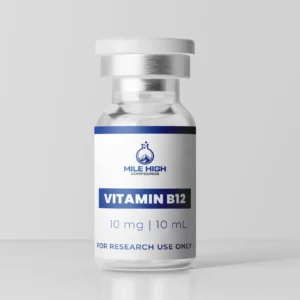
Prescription it injections can be useful when treating deficiency, particularly when absorption is impaired or a clinician determines that injections are appropriate. Oral supplementation can also be effective for many people, depending on the circumstances.
Injection products should be distinguished from ordinary dietary supplements. Prescription formulations have defined ingredients and medical indications, while compounded or unverified products may have different quality and regulatory considerations.
This is generally considered to have a low potential for toxicity, and no tolerable upper intake level has been established. Nevertheless, injections can cause injection-site reactions and, rarely, serious allergic reactions. Some formulations also have specific contraindications and precautions.
Using injections without a clear medical need does not guarantee greater energy or better health. The appropriate formulation and route should be determined by individual nutritional status and clinical needs. <Cite refs={[“turn420712search0″,”turn420712search5″,”turn420712search7”]}/>
7. Is Vitamin B12 FDA-Approved?
The regulatory status depends on the specific product and intended use. Prescription cyanocobalamin injections are authorized for defined medical uses, including certain vitamin B12 deficiencies. This does not mean that every of this product or every marketing claim has FDA approval.
Dietary supplements and prescription medications are regulated differently. A supplement’s availability does not establish that it is approved to treat a disease, and claims that vitamin B12 injections promote weight loss or enhance performance in people without deficiency should be evaluated critically.
Consumers should check product labeling, use reputable sources, and consult a qualified healthcare professional when considering treatment for suspected deficiency. <Cite refs={[“turn420712search5″,”turn420712search3”]}/>
Frequently Asked Questions About Vitamin B12
What is vitamin B12 used for?
This supports normal blood cell formation, DNA synthesis, and nervous-system function. Supplements and prescription products can help prevent or treat deficiency when appropriate.
Does vitamin B12 increase energy?
Treating a deficiency may improve deficiency-related fatigue. Extra it has not been shown to reliably boost energy in people who already have adequate levels.
Which form of vitamin B12 is best?
Common forms include cyanocobalamin, methylcobalamin, adenosylcobalamin, and hydroxocobalamin. No single form has been established as the best choice for everyone.
Are vitamin B12 injections better than oral supplements?
Not necessarily. Both can be effective in appropriate circumstances. Injections may be preferred for certain absorption problems or more serious deficiencies.
Is vitamin B12 safe?
This is generally well tolerated, but the correct treatment depends on the individual and the product. Injectable formulations carry additional risks, including rare severe allergic reactions.
Conclusion
This is an essential nutrient with well-established roles in blood formation, DNA synthesis, and neurological health. Supplementation is particularly important for people who have inadequate intake or difficulty absorbing the vitamin. However, more is not automatically better, and claims about enhanced energy or performance in people without deficiency are not well supported. Choosing an appropriate product and addressing the underlying cause of deficiency are key to responsible use.
Educational disclaimer: This article is for informational and educational purposes only and is not medical advice. It does not replace professional diagnosis or treatment.


Reviews
There are no reviews yet.