
KPV Capsules: 7 Essential Facts About Peptide Research and Safety
KPV Capsules are marketed around KPV, a short peptide studied for its potential role in inflammatory signaling and related biological processes. KPV consists of three amino acids—lysine, proline, and valine—and has attracted scientific interest because of its relationship to alpha-melanocyte-stimulating hormone (α-MSH), a naturally occurring peptide involved in several biological pathways.
Researchers have investigated KPV primarily in preclinical settings, including laboratory models exploring inflammation and intestinal biology. However, early research does not establish that KPV capsules provide proven health benefits in humans. Oral delivery also raises questions about peptide stability, absorption, and the amount that may reach relevant tissues.
This guide explains seven essential facts about KPV Capsules, including their scientific background, research applications, formulation considerations, and safety limitations.
1. What Is KPV?
KPV is a tripeptide composed of three amino acids: lysine (K), proline (P), and valine (V). It is associated with research into α-MSH-related biological activity and has been investigated for potential effects on inflammatory pathways.
Unlike a large protein, KPV is a very short peptide. Its small size makes it interesting to researchers studying peptide structure and biological activity, but it does not guarantee that the compound will remain stable, be absorbed effectively, or produce a specific effect when taken orally.
KPV should also be distinguished from other peptides with similar research interests. Evidence about α-MSH or another peptide cannot automatically be applied to KPV, and findings about KPV in a laboratory model do not establish the effectiveness of a commercial capsule.
2. Why Is KPV Studied in Inflammation Research?
Inflammation is a complex biological response involving immune cells, signaling molecules, and interactions between tissues. It plays a role in normal defense and repair, but persistent or inappropriate inflammatory activity can contribute to disease.
Researchers have investigated KPV because preclinical findings suggest that it may influence certain inflammatory signaling processes. Laboratory studies have explored how the peptide behaves in experimental models of inflammation, including models involving intestinal tissue.
These findings are useful for generating scientific hypotheses. However, the effects observed in cells or animals may not occur in humans, and they do not establish that KPV is an effective treatment for inflammatory conditions.
A reliable assessment requires reproducible findings, carefully designed clinical trials, and evidence that any observed changes translate into meaningful health outcomes.
3. What Potential Research Applications Have Been Explored?
KPV has been investigated in several areas of experimental biology, particularly those related to inflammatory responses and tissue environments.
Research topics include:
- Inflammatory signaling: Examining whether KPV affects selected pathways involved in inflammation.
- Intestinal biology: Studying its activity in experimental models involving the gastrointestinal tract.
- Cellular responses: Investigating interactions between the peptide and cells under controlled laboratory conditions.
- Peptide structure and activity: Exploring how a short amino-acid sequence relates to observed biological effects.
These are areas of investigation, not confirmed clinical benefits. Claims that KPV capsules treat inflammatory bowel disease, improve skin conditions, resolve digestive symptoms, or prevent disease require adequate evidence from human studies of the relevant product and route of administration.
4. What Does the Scientific Evidence Show?
Much of the interest in KPV comes from preclinical research. Such research can help scientists understand possible mechanisms and decide which questions deserve further study, but it cannot establish clinical effectiveness on its own.
When evaluating evidence about KPV, it is important to identify the exact compound, the experimental model, the dose and route used in the study, and the outcomes measured. Findings from a laboratory experiment involving direct exposure of cells may not predict what happens after someone swallows a capsule.
High-quality human trials would be needed to establish whether oral KPV is absorbed consistently, whether it produces meaningful benefits for a particular condition, and what adverse effects may occur.
At present, KPV capsules should not be described as a proven treatment for inflammation or any other medical condition. Scientific uncertainty should be communicated clearly rather than replaced with broad wellness claims.
5. Does Oral Delivery Affect KPV?
Yes. The formulation and delivery route are important considerations when studying any peptide in capsule form.
Peptides taken orally may encounter stomach acid, digestive enzymes, and barriers that limit their passage from the gastrointestinal tract into the bloodstream. Some peptides may retain activity locally within the digestive tract under certain conditions, but this possibility must be demonstrated for the specific compound and formulation.
Important research questions include:
- Whether the peptide remains stable during digestion.
- Whether the capsule releases its contents as intended.
- Whether KPV is absorbed or acts locally in the gastrointestinal tract.
- Whether different formulations produce consistent exposure.
- Whether any measured exposure is associated with meaningful outcomes.
A capsule’s availability on the market does not demonstrate its bioavailability or effectiveness. Evidence from another delivery method cannot automatically be applied to oral KPV.
6. What Are the Safety and Quality Considerations?
The safety of KPV capsules has not been sufficiently established for all users, formulations, or durations of use. Limited clinical evidence means that potential adverse effects, interactions, and long-term risks may be uncertain.
Product quality is another consideration. Research-oriented products may vary in identity, purity, ingredient concentration, manufacturing standards, and storage conditions.
When reviewing product documentation, relevant details may include:
- Ingredient identity: Confirmation that the stated peptide is present.
- Purity analysis: Testing for impurities and related substances.
- Batch traceability: Documentation linking analytical results to a specific batch.
- Manufacturing controls: Information about how product consistency is maintained.
- Storage requirements: Conditions intended to preserve product quality.
A certificate of analysis may help with quality assessment, but its value depends on the reliability of the laboratory, the methods used, and whether the results correspond to the actual batch.
People with medical conditions, those taking medication, and individuals who are pregnant or breastfeeding should seek professional medical guidance before considering experimental peptide products. KPV capsules should not replace prescribed treatment or appropriate medical evaluation.
7. What Is the Regulatory Status of KPV Capsules?
Regulatory status depends on the country, the specific product, and its intended use. KPV capsules should not be assumed to be an approved medicine simply because they are sold online or described as a peptide supplement.
In the United States, consumers should check current FDA information rather than assume that KPV has been approved to treat a medical condition. Regulatory authorization for a product, where applicable, is distinct from early scientific research or commercial availability.
Research labeling also does not establish that a product is suitable for human consumption. Before making claims about health benefits, sellers and publishers should verify the applicable rules and ensure that statements are supported by reliable evidence.
Frequently Asked Questions About KPV Capsules
What are KPV Capsules?
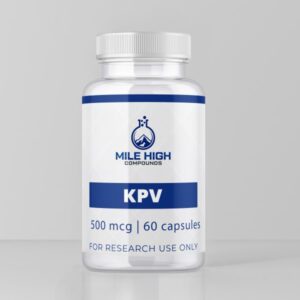
KPV capsules are oral products marketed as containing KPV, a short peptide composed of lysine, proline, and valine. Their composition and quality may vary by manufacturer.
What is KPV researched for?
KPV has been investigated mainly in preclinical research involving inflammatory signaling and intestinal biology. These studies do not establish that oral KPV is an effective treatment in humans.
Do KPV Capsules help with inflammation?
There is insufficient high-quality clinical evidence to conclude that KPV capsules reliably treat inflammation or inflammatory diseases in humans.
Is oral KPV the same as KPV used in laboratory studies?
Not necessarily. Differences in formulation, digestion, absorption, and exposure can affect results. Evidence from one experimental method cannot automatically be applied to an oral capsule.
Are KPV Capsules FDA-approved?
Do not assume KPV capsules are FDA-approved medicines. Check current regulatory information for the specific product and intended use.
Conclusion
KPV is a short peptide that has attracted research interest because of its potential relationship to inflammatory signaling and intestinal biology. Although preclinical studies provide scientific questions worth investigating, they do not establish the safety or effectiveness of KPV capsules for human use.
Anyone evaluating KPV should consider the quality of the scientific evidence, the limitations of oral peptide delivery, product documentation, potential risks, and applicable regulatory requirements. Clear, evidence-based information helps distinguish experimental research from established medical treatment.
Disclaimer: This article is for educational and informational purposes only and is not medical advice. It does not establish the safety or effectiveness of KPV Capsules and should not be used to guide self-treatment. Consult a qualified healthcare professional for medical concerns and verify regulatory information with the appropriate authority.

Reviews
There are no reviews yet.